
by Asif Abbas
06 June 2026, 11:23PM
06 June 2026, 11:23PM
Pakistan's upcoming Federal Budget 2026-27 could bring a major change for buyers planning to purchase hybrid or plug-in hybrid vehicles. Industry discussions suggest that tax incentives currently available on these vehicles may be revised, potentially leading to noticeable price increases across several popular models.
The debate centers around the General Sales Tax (GST) applied to hybrid and new-energy vehicles. At present, many hybrid models benefit from a reduced tax rate, helping keep prices relatively competitive compared to conventional vehicles. However, ongoing fiscal reforms and revenue targets may result in changes to this preferential treatment.
Why Hybrid Prices Could Rise
Pakistan continues to face significant revenue collection challenges while managing debt obligations and public spending requirements. As part of broader tax reforms, authorities are evaluating various sectors that currently enjoy reduced tax rates or exemptions.
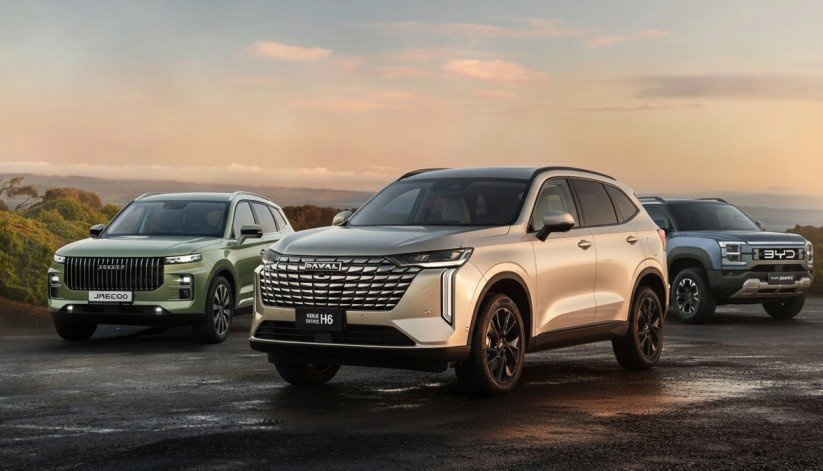
If the reduced GST rate for hybrid vehicles is increased, automakers may pass the additional cost directly to consumers. This could affect some of the country's most popular hybrid SUVs and sedans, making them substantially more expensive than they are today.
Impact on Vehicle Buyers
Hybrid vehicles have gained popularity in recent years due to their improved fuel efficiency and lower running costs. A tax increase could slow this momentum by raising the upfront purchase price for consumers.
Industry estimates suggest that depending on the model and final tax structure, price increases could range from a few hundred thousand rupees to well over one million rupees for premium vehicles.
Plug-In Hybrids Face Uncertainty
Plug-in hybrid electric vehicles (PHEVs) face an even more uncertain future. While some industry stakeholders are advocating for greater incentives to encourage adoption of cleaner technologies, others expect these vehicles to be brought under the same taxation framework as conventional hybrids.
The final outcome will determine whether PHEVs remain an attractive alternative for buyers seeking electric driving capability without full reliance on charging infrastructure.
Lessons from Previous Budget Cycles
Pakistan's automotive market has experienced sudden tax-driven price revisions in the past. Buyers who placed bookings before policy changes often discovered that only officially issued factory invoices determined the applicable tax rate, not booking dates or advance payments.
As a result, consumers considering a hybrid vehicle purchase should pay close attention to delivery timelines and invoicing schedules.
What Happens Next?
Several outcomes remain possible. The government could retain current incentives, introduce a moderate tax increase, or fully align hybrid vehicle taxation with standard GST rates. The final decision will become clear once the budget measures are officially announced.
Until then, prospective buyers, dealerships, and manufacturers remain in a wait-and-see position as they assess the potential impact on vehicle pricing and market demand.
Conclusion
Hybrid vehicles have become an important part of Pakistan's evolving automotive landscape. Any significant change in taxation policy could reshape buying decisions, influence market growth, and affect the affordability of fuel-efficient transportation.
With Budget 2026-27 approaching, consumers should stay informed and carefully evaluate their options before making a purchase decision.
Related Posts