

by Asif Abbas
22 July 2026, 02:18PM
22 July 2026, 02:18PM
Fuel retailers across Pakistan have announced an indefinite nationwide strike following the breakdown of negotiations with the government over the recently introduced daily petroleum pricing mechanism.
The strike is scheduled to begin from midnight on July 22 and, according to the All Pakistan Petrol Pumps Owners Association (APPPOA), will continue until their key demands are addressed.
If implemented on a large scale, the action could temporarily disrupt fuel availability at thousands of filling stations across the country.
Why Are Petrol Pump Owners Protesting?
The dispute centers on the government's decision to introduce a daily fuel price adjustment system, replacing the previous pricing schedule.
Under the new mechanism, petroleum prices are calculated using a rolling average of international oil prices, allowing prices to change more frequently in line with global market movements.
Petrol pump owners argue that the system creates operational difficulties and increases financial risks for dealers who already operate on narrow profit margins.
According to representatives of APPPOA, the new pricing method creates uncertainty for retailers while offering greater flexibility to large oil marketing companies.
PPDA Yet to Make Final Decision
While APPPOA has announced the strike, the Pakistan Petroleum Dealers Association (PPDA) has not yet confirmed whether it will fully participate.
Following discussions with the Oil and Gas Regulatory Authority (OGRA), officials reportedly requested additional time to review the concerns raised by dealers before making further decisions.
The PPDA's executive committee is expected to determine its final position after internal consultations.
Key Demands of Petrol Pump Owners
Fuel retailers have presented several demands to the government, including:
- Restore monthly or fortnightly petroleum price revisions.
- Increase dealer commissions, which they say have remained unchanged for several years.
- Consult fuel retailers before introducing major policy changes affecting the petroleum sector.
Association representatives believe these measures are necessary to maintain the financial sustainability of fuel station operators across Pakistan.
Possible Impact on Motorists
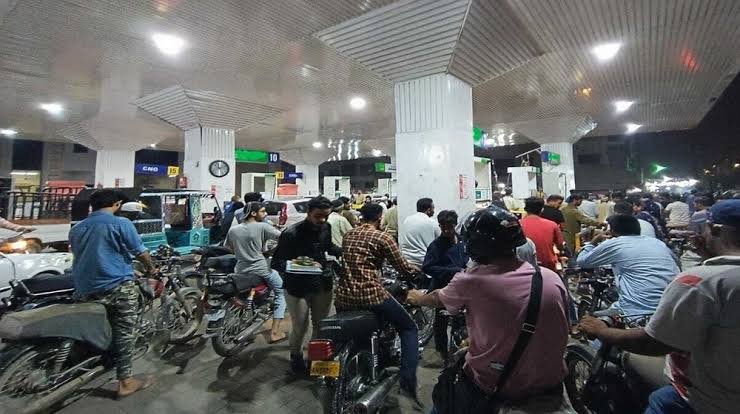
If the strike proceeds nationwide, motorists may experience temporary fuel shortages and increased demand at operational filling stations.
Possible effects include:
- Long queues at petrol stations.
- Temporary disruption in fuel supply.
- Increased waiting times for refueling.
- Possible pressure on transportation and logistics services.
The overall impact will depend on the level of participation by dealers and any further discussions between industry representatives and the government.
Advice for Drivers
Motorists are encouraged to prepare in advance by following a few practical steps:
- Refill fuel tanks before supplies become limited.
- Avoid unnecessary long-distance travel if possible.
- Stay updated through official announcements regarding fuel availability.
- Use company-operated fuel stations if they remain open during the strike.
Planning ahead may help reduce inconvenience if fuel supplies are temporarily disrupted.
What Happens Next?
Government officials and petroleum industry representatives may continue discussions in an effort to resolve the dispute before it causes widespread disruption.
Whether an agreement is reached or the strike proceeds will determine how significantly Pakistan's fuel distribution network is affected in the coming days.
Final Thoughts
The disagreement over Pakistan's new petroleum pricing mechanism has created uncertainty for both fuel retailers and consumers.
As negotiations continue, motorists are advised to monitor official updates and make necessary travel and refueling plans in advance. A timely resolution between the government and petroleum dealers would help minimize disruption and ensure a stable fuel supply across the country.
Related Posts