
by Asif Abbas
03 June 2024, 02:44AM
03 June 2024, 02:44AM
Nissan is following in Tesla's footsteps by adopting gigacasting technology to lower parts expenses by 10% and save a billion dollars in development costs. High purchase prices, mainly due to expensive batteries, have been a significant barrier to the widespread adoption of electric vehicles. Gigacasting, an advanced manufacturing technique, offers a solution by simplifying production and reducing the weight of EVs.
Nissan, along with automakers like Toyota, Hyundai, and Ford, plans to use gigacasting to streamline its EV manufacturing process. According to Automotive News, this move aims to cut the costs of EV parts by 10% and reduce vehicle weight by 20%. The new production techniques are expected to decrease overall expenses by 30%, potentially saving Nissan about $1 billion in development costs for five future models. Nissan's EVs incorporating gigacasting are anticipated to hit the market around 2027.
Gigacasting, pioneered by Tesla, involves creating large, single pieces of a vehicle's structure using giant casting machines. This method replaces the assembly of numerous smaller parts with the production of substantial sections like the entire rear or front of a vehicle in one piece. The result is a reduction in the number of components, lower production costs, and lighter, easier-to-assemble vehicles.
Future Nissan EVs, similar to the Tesla Model Y and Cybertruck, will use gigapresses to form the rear underbody. Currently, this section comprises up to 100 parts, but gigacasting will combine them into single, giant pieces using aluminum casting in 6,000-ton presses. While these presses are smaller than Tesla’s 9,000-ton presses from Italian manufacturer IDRA, they are still larger than Toyota’s 4,000-ton presses.
Despite the benefits, gigacasting presents challenges such as the high upfront costs of the machines and the difficulty of integrating aluminum modules with steel parts in an EV’s structure. Since steel and aluminum are difficult to weld together, Nissan will employ new fastening methods like self-piercing rivets and drill screw technologies.
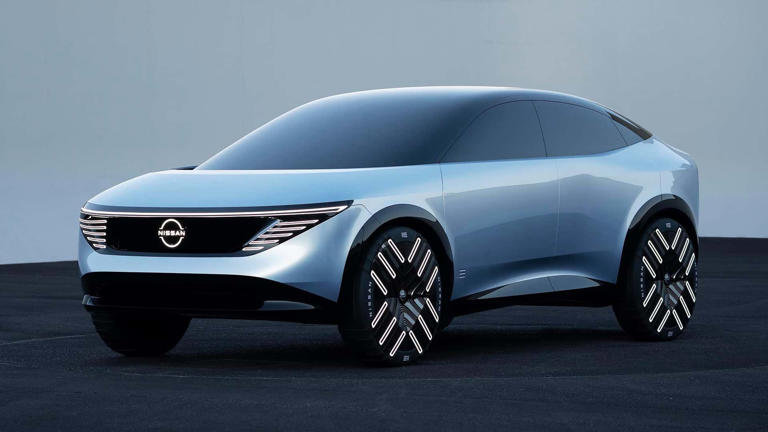
Nissan aims to have fully battery-powered cars account for 40% of its overall sales by 2031. This includes the next-generation Leaf, expected to go on sale in 2025, with production in Japan and potentially at a revamped Sunderland plant in the U.K. Additionally, Nissan plans to revive sedans, having showcased two EV concepts at the Beijing Auto Show this year.
Related Posts